

In the glittering world of modern art, where emotions and brush strokes collide, a darker story lurks beneath the surface. Who would’ve thought that a seemingly priceless canvas could also serve as a favorable hiding spot for ill-gotten gains? As the art market continues to expand beyond the realms of gallery walls and into financial portfolios, understanding the complexities of modern art money laundering has never been more critical. Grab your beret and a magnifying glass because we’re diving deep into the intersection of art and finance, where masterpieces may have more than aesthetic value: they might just be a ticket to the underworld of financial shenanigans.
Understanding Modern Art As an Investment Vehicle
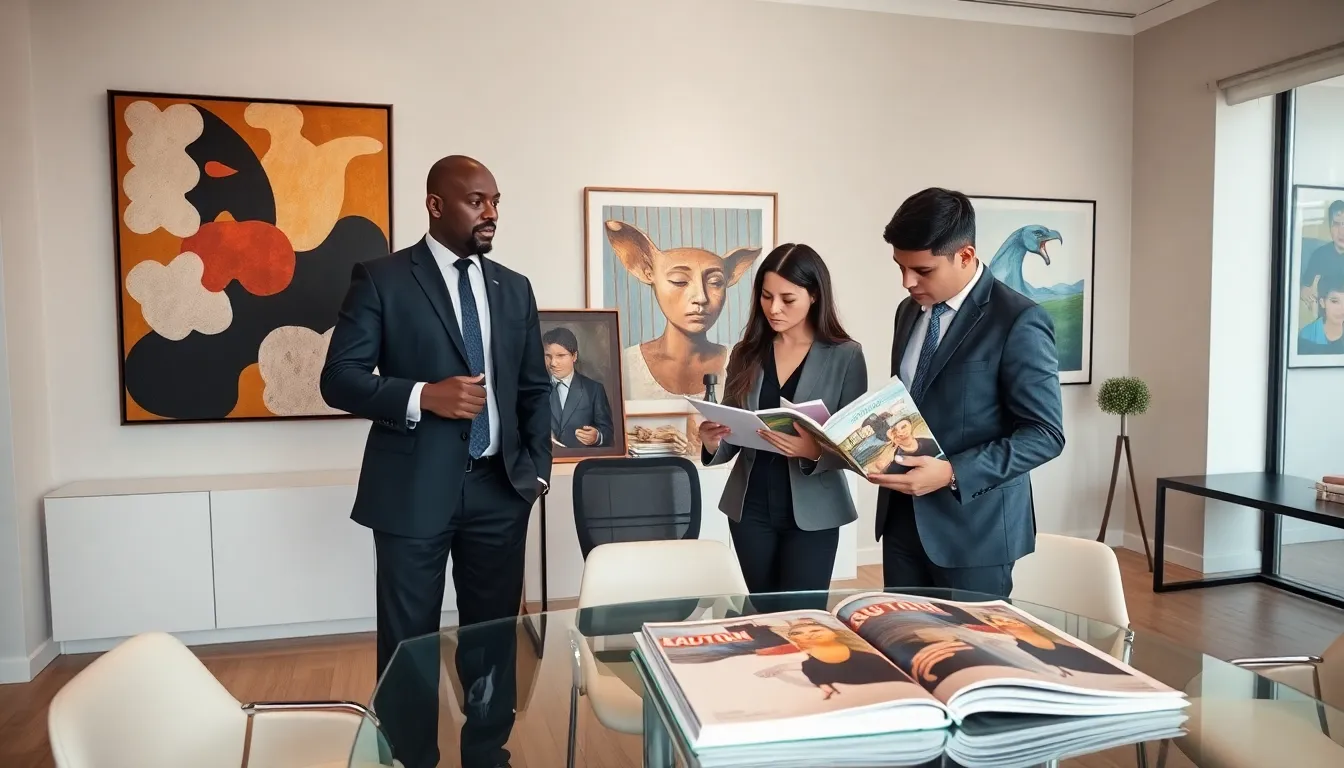
The Intersection of Art and Finance
Modern art has evolved into a multifaceted investment vehicle. Investors often see it not just as a way to green their portfolios but also to diversify risks that come with traditional assets. The allure of appreciating values alongside aesthetic enjoyment makes modern art a compelling option for many. Art can transcend market fluctuations, creating a sense of stability during economic downturns: but, this very quality also attracts less scrupulous actors.
Reasons for Investing in Modern Art
Investors might be drawn to modern art for several reasons. High-profile auction sales and the visibility of prestigious galleries shine a spotlight on art’s potential for hefty returns. Besides, art can enrich one’s personal and social standing, casting a wider net than typical investments in stocks or real estate. Occasionally, people believe that owning significant pieces places them in an exclusive club, enriching their personal narratives while contributing to their portfolios.
How Money Laundering Works in the Art World
Common Techniques Used for Money Laundering
The art world is often clouded by a lack of transparency, creating a perfect storm for money laundering activities. One popular method involves purchasing artworks at inflated prices, often through private sales, allowing illicit money to enter the legitimate economy. Sellers may then either sell to secure “profits” or resell the piece at an even higher price to create an illusion of legitimate income. Non-fungible tokens (NFTs) have also become a trendy avenue for transferring wealth, sometimes sidestepping regulations. The anonymity afforded by these transactions adds a layer of complexity that can easily confound regulators.
Case Studies: High-Profile Examples
Numerous high-profile cases illustrate how the intersection of art and illicit finance can manifest in real life. A notorious example includes the dealings of a prominent gallery in London. This establishment had been accused of allowing questionable sales practices, leading to investigations by law enforcement agencies. Meanwhile, individual collectors round the globe have faced scrutiny over the provenance of their acquisitions, cases that reveal how even celebrated pillars of the art world can become ensnared in laundering webs.
Not only does this paint a sobering picture of ethical concerns, but it also highlights the precarious balance art transactions must maintain to encourage investment while still adhering to greater regulatory standards.
Regulatory Responses and Legal Frameworks
Challenges Facing Law Enforcement
Regulators around the world are gradually establishing frameworks to combat the art world’s murkiness. But, challenges abound. Many jurisdictions lack stringent rules around art transactions, making it tough to trace ownership and validate origins. While some nations have enacted anti-money laundering (AML) laws that encompass art dealers, enforcement remains challenging due to the opaqueness of the industry. Also, the global nature of art commerce complicates regulatory harmonization, leading to gaps exploitable by money launderers.
The Role of Transparency and Due Diligence in the Art Market
The importance of transparency cannot be overstated. Sellers and buyers must adhere to rigorous due diligence practices to protect themselves and ensure ethical transactions. Knowing the provenance of a piece and maintaining comprehensive documentation helps to safeguard against illicit activities. In a market where art can often appear without earnings records or clear chains of custody, such diligence becomes imperative.